
Sewage Pump Stations by Alton Pumps

Pump Station FAQ

Frequently asked questions about sewage pump stations, faults, installation, servicing and replacement.

Pump Station FAQ
Practical answer

This FAQ page answers common pump station questions in a clear way for homeowners, facilities managers, developers, designers and commercial sites.

Installation questions

New pump station questions usually relate to pump type, chamber size, inlet depth, ground conditions, rising main route, discharge point, power supply, alarms and whether civil installation is required.

Fault questions

Existing pump station questions usually relate to high level alarms, failed pumps, pumps not emptying, tripping electrics, stuck floats, control panel faults, non-return valves or blocked rising mains.

Maintenance questions

Maintenance questions usually relate to service frequency, pump inspections, alarm tests, chamber cleaning, float function, valve checks and when to repair or replace equipment.

How we can help

  • Installation FAQs
  • Repair FAQs
  • Servicing FAQs
  • Alarm FAQs
  • Material FAQs
  • Adoption FAQs

Frequently asked questions

What is a sewage pump station?

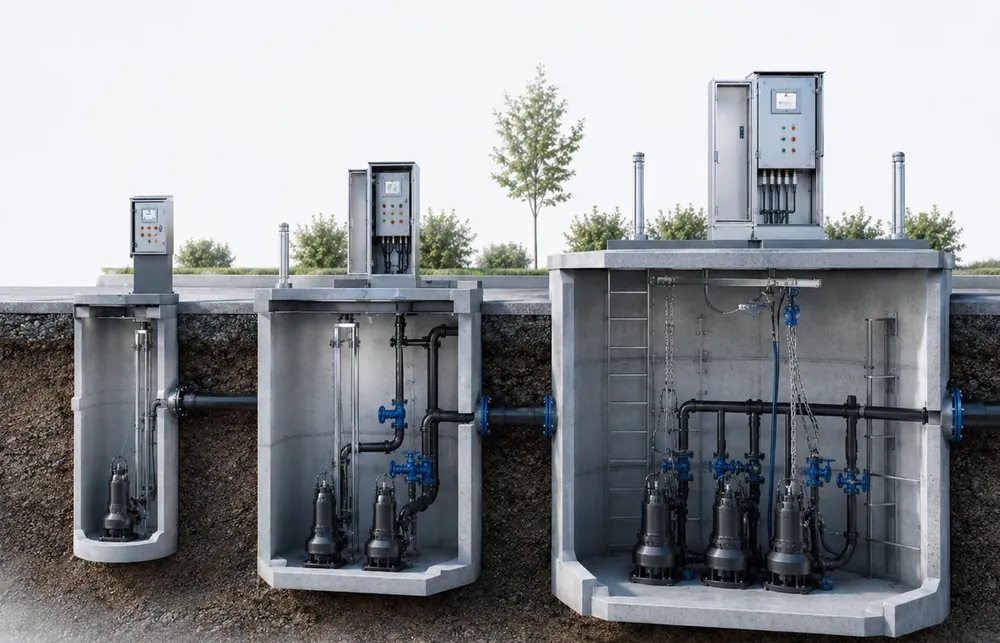
It is a chamber and pumping system used to lift sewage or wastewater from a lower level to a higher sewer, treatment system or drainage point.

What causes a high level alarm?

Common causes include failed pump, blocked pump, stuck float, blocked rising main, failed non-return valve, control panel issue or power failure.

Do all pump stations need servicing?

Yes, planned servicing reduces the risk of blockage, flooding, pump failure, alarm failure and avoidable emergency callouts.

Can you help with civils?

Alton Facility Services can support civil installation where the job requires excavation, chamber installation, pipework, concrete bases or reinstatement.